

How to Build an Emergency Fund
05/13/2026
Life is full of unexpected moments. Some can be exciting while others can be stressful. Whether it’s a car repair, medical expense, or sudden job change, having an emergency fund can provide the financial stability and peace of mind you need to navigate life’s uncertainties. If you’re not sure where to start, building an emergency fund may feel overwhelming and out of reach, but with the right approach, it’s more achievable than you think.
What is an Emergency Fund?
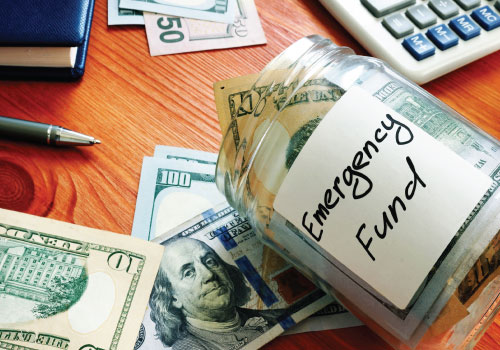
An emergency fund is a dedicated savings account set aside for unplanned expenses. Unlike saving for vacations or larger expenses, this fund is meant to act as a financial safety net. Ideally, it should cover three to six months of essential living expenses. This should cover rent or mortgage payments, utilities, groceries, and insurance.
Start Small and Stay Consistent
One of the largest misconceptions about emergency funds is that you need to save a large amount at once. Starting small is key. A great way to start is to set aside $10-$25 each week, which can add up over time. The most important factor is consistency. By building the habit of saving regularly, you’ll create momentum that makes it easier to increase your contributions later.
Set Goals and Automate Your Savings
Instead of focusing on a large end goal right away, focus on smaller amounts over time. For example, aim to save your first $500, then $1000. These targets can help cover many common emergencies and will help you build confidence as you see your savings grow.
One of the easiest ways to stay on track is to automate your contributions. Setting up recurring transfers between accounts (for example, from your checking to your savings) can make saving feel effortless. At First Community, we offer simple tools to automate deposits so your savings can stay consistent without needing constant attention. We also offer tools like the Money Management platform, which lets you view your financial picture in one place. You can track spending, create budgets, set goals, and so much more — all free of charge.
Keep it Separate and Know When to Use it
Your emergency fund should be kept separate from your other accounts to avoid the temptation of spending it. Options like opening an Additional Savings Account can help your balance grow with dividends while still giving you quick access when it matters most. Once you reach a savings of over $1,000, moving your funds into a First Community Money Market Account is a great way to save with higher dividends. With that said, remember that an emergency fund is meant for true emergencies, not planned expenses or discretionary spending.
Before using it, ask yourself:
- Is this unexpected?
- Is it necessary?
If the answer is yes, that’s when your emergency fund serves its purpose. If you do use your emergency fund, make it a priority to replenish it as soon as possible.
Building an emergency fund doesn’t happen overnight, but every step you take brings you closer to financial security. With the right tools, support, and a plan in place, you can build a strong financial foundation in emergencies, and First Community is here to support you along the way.